
Choosing mercury-free dentistry means selecting composite resin or porcelain for a filling that matches the color of your natural teeth, rather than a metal alternative. This choice is especially useful for visible teeth, where a silver-toned filling would stand out. Plus, some patients simply prefer to avoid materials containing mercury.
Mercury-Free Dentistry
Get Repairs That Blend In
Choose Mercury-Free Dentistry for a Natural Look
We offer fillings that blend in with your smile if you prefer to avoid metal in your mouth entirely. Mercury-free dentistry in Montgomery uses composite resin or porcelain instead of traditional amalgam, closely matching the color of your natural teeth.
These materials work well for both small cavities and visible front teeth, since amalgam isn't designed with appearance in mind. Composite fillings are typically placed in a single visit and blend closely with the rest of your teeth.
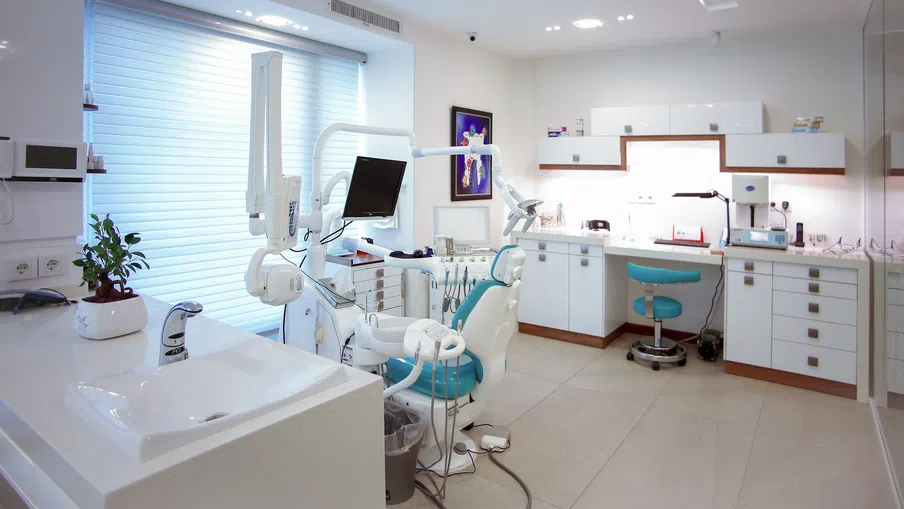
See How You Benefit From a Non-Metal Restoration
Natural Tooth Color
Composite resin is shaded to match your natural tooth color. The filling blends in rather than showing when you smile, laugh, or talk.
No Visible Metal
Choosing a mercury-free filling avoids the gray or silver tone that comes with traditional amalgam, which is especially useful for visible front teeth.
Can Be Placed in a Single Visit
Composite fillings are formed and hardened with a curing light in one appointment, without needing a separate lab-made piece.
Patient Choice Respected
If you prefer to avoid metal in your mouth, mercury-free materials offer a beautiful, strong alternative to restore your smile.
Learn What's Involved With a Mercury-Free Filling
Mercury-free dental care can involve filling a new cavity or replacing an older amalgam filling for a more natural appearance. Both start with the same conversation about material choice during an exam. Here is what a mercury-free filling typically involves:
- Shade matching to blend the new material with the surrounding natural teeth
- Placement completed in a single visit using a curing light
- Suitability for both small cavities and larger areas of decay
- No change to how a tooth functions during normal biting and chewing
Your dentist can walk you through whether composite resin or porcelain best fits a particular tooth. Visible front teeth and back molars sometimes call for different material choices based on location, bite force, and personal preference.
To discover all the benefits of mercury-free dentistry in Montgomery, contact our team today.
Frequently Asked Questions About Mercury-Free Dentistry
Q What is mercury-free dentistry?
A
Mercury-free dentistry refers to filling teeth with composite resin or porcelain instead of amalgam, which contains a small amount of mercury combined with other metals. Both materials restore a decayed tooth effectively, but composite and porcelain are shaded to match natural tooth color rather than appearing silver or gray.
Q What materials are used instead of amalgam for mercury-free dentistry?
A
Composite resin and porcelain are the two most common mercury-free filling materials. Both are chosen for their ability to blend with the surrounding tooth. Composite is often used for smaller fillings placed in a single visit, while porcelain may be selected for larger restorations requiring a lab-made restoration.
Q Can an old amalgam filling be replaced?
A
An older amalgam filling can be replaced with a mercury-free restoration, often for cosmetic reasons when the metal filling is visible while smiling or talking. The old filling material is removed, the tooth is cleaned and prepared, and new composite or porcelain material is placed in its spot.
Q How long does it take to get a mercury-free filling?
A
Placing a mercury-free filling with composite resin typically takes 30 minutes to an hour, depending on the size and location of the cavity being treated. Porcelain fillings may require two visits instead, since the material is often crafted in a lab before being cemented into place.
Q Are mercury-free fillings as durable as amalgam?
A
Modern composite and porcelain materials hold up well in fillings under normal biting and chewing, though amalgam has traditionally been known for lasting slightly longer in some cases. Advances in dental materials have narrowed this gap considerably, making mercury-free options a practical choice for most fillings today.
Q Can mercury-free fillings be used for back teeth?
A
Mercury-free fillings can be used on back teeth, or molars, though these teeth experience more biting force than front teeth do. Material choice for back teeth often depends on the size of the cavity and how much chewing pressure the tooth typically experiences.
Q Do mercury-free fillings stain over time?
A
Composite fillings can pick up minor staining over several years from coffee, tea, or tobacco, similar to how natural tooth enamel can discolor gradually. Porcelain resists staining more effectively than composite, making it a consideration for patients concerned about long-term color changes.
Q Is a mercury-free filling more expensive than amalgam?
A
Mercury-free fillings, particularly composite resin, sometimes cost more than amalgam due to the material and the additional time needed for careful shade matching and shaping. Porcelain fillings tend to cost more than amalgam or composite, since they typically require lab fabrication before the final piece is placed.


