
Wisdom Teeth Removal
Prevent Crowding, Pain, & Decay
Stop Oral Problems With Wisdom Teeth Removal in the Hudson Valley
Addressing wisdom teeth before they cause problems can allow your smile enough room for every tooth to fit comfortably. Wisdom teeth removal in the Hudson Valley clears third molars that don't have enough space to grow in properly.
Removing wisdom teeth early can prevent the pain and crowding that often develop as they try to emerge without enough room. Advanced digital imaging helps map the exact position of each tooth beforehand, so your procedure is performed with efficiency and complete comfort.
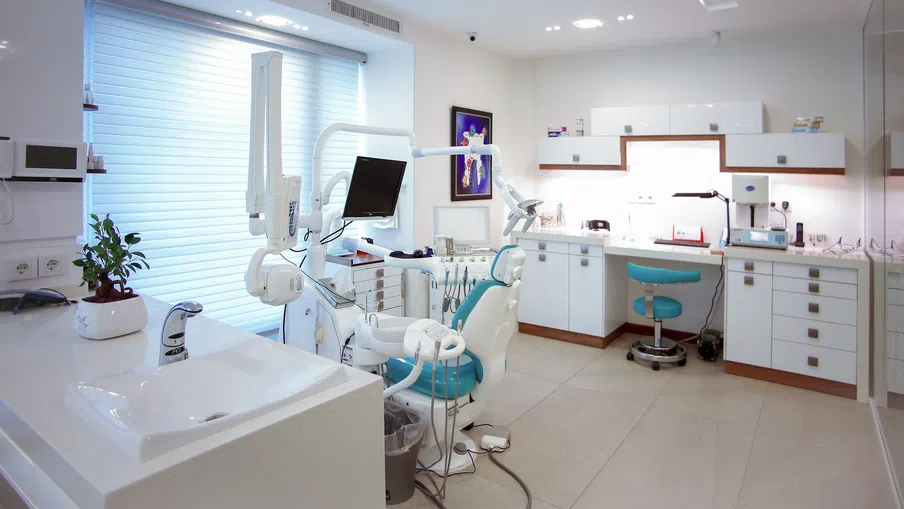
See Why Removing Wisdom Teeth Early Benefits Your Smile
Prevents Crowding
Removing wisdom teeth before they fully emerge helps prevent them from pushing against nearby teeth and shifting them out of alignment.
Reduces Infection Risk
A wisdom tooth trapped beneath the gum can become a breeding ground for bacteria, so removing it lowers your risk of infection.
Precise Imaging Used
3-D cone beam imaging maps the exact position of each wisdom tooth and nearby nerves, so your dentist can plan your procedure with precision.
Avoids Complications
Removing problematic wisdom teeth early can prevent more involved procedures later, when teeth become more difficult to access.
Learn How Our Team Plans Your Wisdom Teeth Extraction
Advanced 3-D imaging maps the position of each wisdom tooth relative to nearby nerves and sinuses before your procedure is scheduled. This helps determine how straightforward or involved your extraction will be, since impacted teeth often require additional planning. Your mouth is thoroughly numbed before your procedure begins, so you'll feel no discomfort.
Stitches are sometimes placed after removal depending on how the teeth were positioned. You'll receive detailed aftercare instructions, including pain management and how to clean the surgical sites.
Recovery from wisdom teeth removal often involves more swelling than a single tooth extraction, since multiple teeth are frequently removed during the same visit. Ice packs applied during the first day help manage swelling. Soft foods are usually recommended for several days afterward, longer than with a routine extraction. A follow-up visit confirms the area is healing the way it should.
Find out more about wisdom teeth removal in the Hudson Valley by contacting our team today.
Frequently Asked Questions About Wisdom Teeth Removal
Q What are wisdom teeth?
Wisdom teeth are the third and final set of molars that typically emerge in the late teens or early 20s, at the very back of the mouth. Many people don't have enough space in the jaw for these teeth to come in fully or align properly with the rest of the teeth.
Q Why do wisdom teeth need to be removed?
Wisdom teeth are often removed because there isn't enough room in the jaw for them to emerge properly, leading to crowding or infection. Removing them before or shortly after they cause problems helps prevent damage to neighboring teeth and the surrounding gum tissue.
Q What does it mean to have an impacted wisdom tooth?
An impacted wisdom tooth is one that hasn't fully emerged through the gum, often because it's angled incorrectly or blocked by another tooth. Impacted teeth can remain partially or completely trapped beneath the gum tissue, sometimes causing pain or damage to nearby teeth.
Q How many wisdom teeth are removed at once?
The number of wisdom teeth removed in one visit depends on individual anatomy, though many patients have all four removed during the same appointment. Some people only have one or two wisdom teeth that require removal, while others may need to address all four.
Q Does wisdom teeth removal hurt?
Wisdom teeth removal is performed under local anesthesia. This keeps the procedure from being painful, although pressure is often felt during extraction. Sedation options may also be available for patients who feel anxious about the procedure.
Q How long does wisdom teeth removal take?
A wisdom tooth extraction typically takes 30 minutes to an hour, depending on how many teeth are being removed and how impacted they are. Simple extractions of fully emerged teeth are usually quicker than removing teeth that are angled or trapped beneath the gum.
Q What is recovery like after wisdom teeth removal?
Recovery after wisdom teeth removal typically involves swelling and mild discomfort for a few days, gradually improving as the extraction sites heal. Most people take a few days off from work or school, resting and following aftercare instructions during the initial healing period.
Q What happens if wisdom teeth are never removed?
If wisdom teeth are never removed, they can potentially cause ongoing crowding or damage to nearby teeth over the years. Some people never experience problems and keep their wisdom teeth throughout life. Regular checkups help monitor for any changes that develop.


