
Removing bacteria and hardened buildup beneath the gumline addresses the root cause of gum irritation rather than just the surface symptoms. This deep cleaning gives inflamed gum tissue room to heal and reattach to the tooth. It helps restore a healthier foundation for your teeth and reduces the risk of more serious problems later.
Scaling & Root Planing
Get Attractive, Healthy Gums
Treat Gum Disease With Scaling & Root Planing in Montgomery
Healthy gums start below the surface, where a toothbrush can often miss. Scaling and root planing in Montgomery clears bacteria and hardened buildup from beneath the gumline, then smooths the tooth roots so gum tissue can reattach naturally.
Removing this buildup calms inflammation and reduces bleeding within a few weeks for most patients. Treating gum problems early also helps protect the bone and tissue that keep your teeth anchored securely in the jaw.
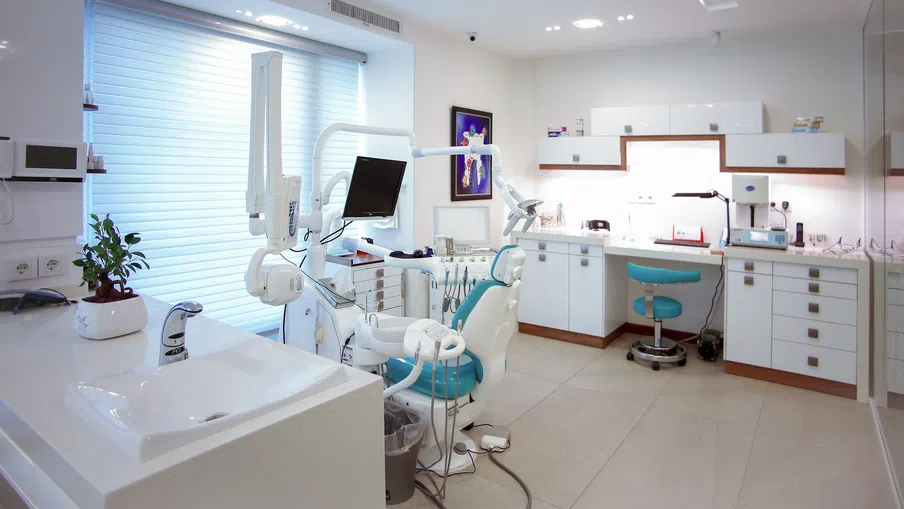
Discover the Benefits of Deep Cleaning
Reduces Gum Inflammation
Clearing bacteria from below the gumline calms swollen, irritated tissue. This often eases redness and discomfort within a couple of weeks.
Removes Hidden Bacteria
Bacteria trapped beneath the gumline can't be reached by a toothbrush alone, making deeper cleaning necessary for healing to begin.
Protects Tooth Roots
Smoothing the tooth root after cleaning helps gum tissue reattach more securely. This protects the root from further exposure and sensitivity.
Stops Further Damage
Treating gum disease early can stop it from progressing into a stage that affects the bone supporting your teeth and jaw.
Understand the Process of Gum Disease Care
Tooth scaling and root planing starts with removing plaque and tartar from below the gumline using specialized instruments, often after the area has been numbed for comfort. Once the surface is clean, the tooth roots are smoothed to help gum tissue reattach more easily.
For more advanced cases, a soft tissue laser may be used during this process, targeting diseased tissue with less bleeding than traditional methods alone.
After treatment, cleanings are typically scheduled every three to four months rather than the usual six-month interval. During dental checkups, your dentist monitors healing. Our team will ensure that bacteria don't accumulate below the gumline and continue causing problems.
Stopping gum disease before it worsens often means treatment is limited to deep cleaning, rather than more involved procedures later.
Call our office today to find out if you need scaling and root planing in Montgomery.
Frequently Asked Questions About Scaling and Root Planing
Q What is scaling and root planing?
A
Scaling and root planing is a deep cleaning procedure that removes plaque and tartar from below the gumline, then smooths the tooth root to help gum tissue reattach properly. It treats gum disease that has progressed beyond what a regular cleaning can address, targeting bacteria hidden beneath the gum surface.
Q How is scaling and root planing different from a regular cleaning?
A
A regular cleaning removes plaque and tartar from the visible surfaces of the teeth and just above the gumline during a routine dental checkup and yearly appointment. Scaling and root planing goes further below the gumline, removing bacteria and buildup that has caused inflammation or early signs of gum disease.
Q When is scaling and root planing needed?
A
Scaling and root planing is needed when gum pockets measured during an exam are deeper than normal, often accompanied by bleeding, swelling, or persistent bad breath and discomfort. These signs indicate bacteria and buildup have spread below the gumline, requiring a deeper level of cleaning than a standard visit provides.
Q What does the scaling and root planing process involve?
A
The scaling and root planing process involves numbing the treatment area, then using specialized instruments to remove plaque and tartar from below the gumline and along the entire visible and hidden tooth root. Once cleaned, the root surface is smoothed to discourage bacteria from reattaching. This helps gum tissue heal properly.
Q Does scaling and root planing hurt?
A
Scaling and root planing is typically performed with local anesthesia, keeping discomfort to a minimum throughout the procedure itself and for some time afterward. Mild soreness or sensitivity is common for a few days afterward, particularly when eating something hot, cold, or acidic near the treated area of the mouth.
Q How long does scaling and root planing take?
A
Scaling and root planing often takes one to two appointments, with each visit treating one half of the mouth to keep care manageable for the patient and dentist. Total treatment time depends on how many areas are affected and the severity of buildup found below the gumline during the exam.
Q How often is scaling and root planing needed?
A
Scaling and root planing is not typically repeated on a fixed schedule. However, follow-up cleanings are often recommended every three to four months afterward instead of yearly visits. This frequency helps your dentist monitor healing and catch any signs of bacteria returning below the gumline before they cause further problems.
Q Can a laser be used during scaling and root planing?
A
A soft tissue laser can be used during scaling and root planing to target diseased gum tissue with more precision than hand instruments alone provide. This combination often results in less bleeding during the procedure and may help ease the healing process for certain patients with more advanced gum disease.


