Am I A Candidate for Dental Implants?
Montgomery, NY
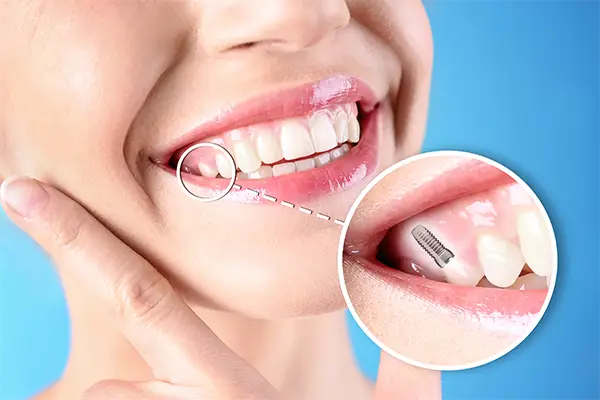 Age comes up in nearly every conversation about dental implant candidacy, usually from one of two directions entirely: younger patients wondering if they're old enough, and older patients wondering if they're already too old. The reality is that age alone rarely determines candidacy. What matters far more is the stage of jawbone development and the overall health someone brings to the table, both of which vary widely across different life stages. Age comes up in nearly every conversation about dental implant candidacy, usually from one of two directions entirely: younger patients wondering if they're old enough, and older patients wondering if they're already too old. The reality is that age alone rarely determines candidacy. What matters far more is the stage of jawbone development and the overall health someone brings to the table, both of which vary widely across different life stages.
If you're interested in scheduling a consulation for dental implants, contact Masci, Hale & Wilson Advanced Aesthetic and Restorative Dentistry at (845) 457-5763.
Why Younger Patients Often Need To Wait
The jaw continues developing well into the late teens and, for some patients, into the early twenties. Placing an implant before this growth is complete can lead to problems down the road, since the surrounding teeth and bone continue shifting while an implant remains fixed in place. This mismatch can cause the implant to appear sunken or misaligned as the rest of the jaw finishes growing around it. For this reason, we typically recommend waiting until jawbone growth is complete, which we can confirm through imaging, before placing an implant in younger patients.
Temporary Solutions For Younger Patients
This doesn't mean younger patients missing a tooth have no options in the meantime. Removable partial appliances or other temporary restorations can fill the gap, maintain space, and support normal function until the jaw finishes developing and the patient is ready for a permanent implant. We usually recommend monitoring jawbone growth through periodic imaging so we can identify the right time to move forward with implant placement.
Adults In Their Twenties Through Forties
This age range often represents the most straightforward candidacy profile overall, since jawbone development is fully complete and major age-related health complications haven't typically arisen yet. Patients in this stage of life are frequently excellent candidates, provided their gum health and bone density are adequate and they don't have complicating medical conditions. This is also an age range where good oral hygiene habits established now can meaningfully extend the long-term success of an implant placed today and in the decades that follow.
Middle-Aged Patients And Emerging Health Factors
Patients in their forties and fifties may begin to encounter health factors that weren't relevant earlier in life, such as early-stage gum disease, the onset of diabetes, or bone density changes. None of these factors typically prevent implant treatment altogether, but they may require additional evaluation or preparatory treatment. This is also the age range where many patients begin experiencing tooth loss related to years of untreated dental issues, making implants an increasingly common request.
Older Adults: Age Is Rarely The Deciding Factor
Contrary to a common misconception, there's no upper age limit for dental implants. We regularly place implants successfully for patients in their seventies, eighties, and beyond. What matters at this stage is overall health rather than age itself. Conditions more common in later life, such as osteoporosis, cardiovascular disease, or reduced bone density, are evaluated individually rather than treated as automatic disqualifiers. Many older patients are, in fact, ideal candidates, since missing teeth can significantly affect nutrition and quality of life, and implants offer a stable, long-term solution.
Bone Density Changes With Age
Natural bone density tends to decrease gradually as we age, which can affect implant candidacy for some older patients. This is one of the primary reasons imaging plays such a central role in the evaluation process, since it allows us to measure exactly how much bone is available regardless of a patient's age on paper. If bone density has decreased significantly, a bone graft can often restore enough structure to support an implant safely.
Hormonal changes can also play a role in bone density, particularly for women after menopause, when estrogen decline can accelerate bone loss throughout the body, including the jaw. This doesn't automatically disqualify anyone from receiving implants, but it's a factor we take into account when planning treatment and estimating healing timelines. Patients managing osteoporosis, whether through medication or lifestyle changes, can frequently still receive dental implants successfully with the right planning and, in some cases, additional bone grafting beforehand.
Health Conditions That Become More Common With Age
As patients get older, certain health conditions become more prevalent and worth discussing during a candidacy evaluation. Cardiovascular disease, for instance, is common among older adults and typically doesn't prevent implant treatment, though it may require coordination with a physician regarding blood thinners or other medications. Similarly, well-managed diabetes, which becomes more common with age, doesn't rule out candidacy on its own. The key across all of these conditions is whether they're being actively managed, since well-controlled health conditions rarely stand in the way of successful implant treatment.
Why A One-Size Approach Doesn't Work Across Age Groups
It's worth noting that a treatment plan appropriate for a 25 year old often looks quite different from one designed for a 75 year old, even if both patients are missing the same tooth. Healing timelines, imaging frequency, and even the type of restoration recommended can shift based on bone quality, health history, and how quickly a patient's body tends to heal. This is exactly why we build each treatment plan around the individual in front of us rather than applying a standard approach based solely on age.
Finding Out Where You Stand
Whether you're a young adult wondering if your jaw has finished developing or an older adult wondering if your age will complicate treatment, the only reliable way to know is through a personal consultation. Schedule an exam with Masci, Hale & Wilson Advanced Aesthetic and Restorative Dentistry to get a clear, individualized picture of your candidacy, regardless of your age. Call (845) 457-5763 today to take the next step toward restoring your smile and your confidence.
|