Types of Dental Implants
Montgomery, NY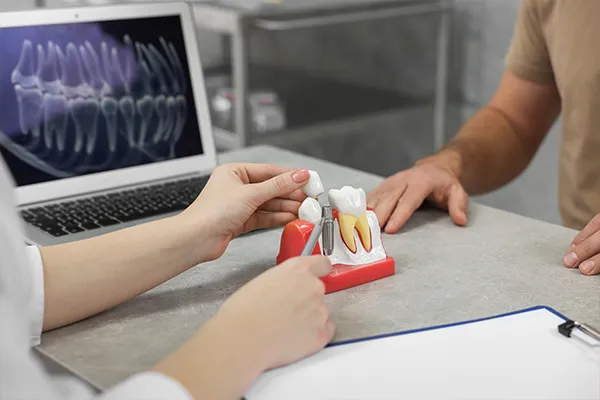 Dental implants have become one of the most advanced tooth replacement options available because they restore both function and appearance while supporting long-term oral health. Missing teeth can influence the way a person eats, speaks, and even how the jawbone functions over time. Dental implants have become one of the most advanced tooth replacement options available because they restore both function and appearance while supporting long-term oral health. Missing teeth can influence the way a person eats, speaks, and even how the jawbone functions over time. There is no single type of implant that works for every patient. Different implant designs and restoration methods allow dentists to address a wide range of tooth loss situations. How Dental Implants WorkDental implants are small posts placed into the jawbone to replace missing tooth roots. After the implant heals and integrates with the bone, it can support a crown, bridge, or denture. Because implants are anchored within the jaw, they provide stability that closely resembles natural teeth. This secure foundation helps improve chewing strength and helps prevent bone loss that commonly occurs after tooth loss. Traditional Dental ImplantsTraditional implants are the most commonly used option in implant dentistry. These implants are usually made from titanium and placed directly into the jawbone. Traditional implants are often recommended because they:
These implants are suitable for many patients who have healthy gums and sufficient jawbone density. Single Implant CrownsWhen only one tooth is missing, a single implant crown may be the ideal solution. This approach replaces the missing tooth without relying on neighboring teeth for support. The implant acts as the tooth root, while the crown restores the visible portion of the tooth. Why Patients Choose Single Implant CrownsSingle implant crowns are frequently used in both visible front teeth areas and back molar regions.They help:
Implant BridgesPatients missing several consecutive teeth may benefit from implant bridges. Instead of placing an implant for every missing tooth, implants are strategically positioned to support a connected bridge. This type of restoration can restore larger sections of the smile while reducing pressure on remaining natural teeth. Implant bridges may offer:
For many patients, implant bridges provide a dependable alternative to removable partial dentures. Full Mouth Dental ImplantsSome patients experience widespread tooth loss throughout the upper or lower arch. Full mouth dental implants restore an entire arch of teeth using multiple implants for support. This treatment may involve fixed bridges or implant-supported dentures depending on the patient's needs. Benefits Of Full Mouth Implant RestorationFull mouth restoration often improves comfort and confidence for patients with extensive tooth loss:
All-on-6 Dental ImplantsAll-on-6 implants use six implants to support a complete arch of replacement teeth. The additional implants can provide increased stability and support across the jaw. This treatment is commonly recommended for patients who need full arch restoration and have adequate jawbone support. Patients may benefit from All-on-6 treatment because it:
Treatment planning determines whether All-on-6 or another implant method is best suited for the patient. Mini ImplantsMini implants are smaller than traditional implants and are frequently used to stabilize dentures. They can help improve denture retention while reducing slipping during daily activities. Because mini implants are narrower, they may be useful for patients with lower bone volume. When Mini Implants May Be UsedNot every patient qualifies for mini implants, but they can provide valuable support in certain situations. Mini dental implants may be used:
Not every patient qualifies for mini implants, but they can provide valuable support in certain situations. Immediate Load ImplantsImmediate load implants, often called same-day implants, allow a temporary restoration to be attached shortly after implant placement. This process may reduce the time patients spend without visible teeth while healing occurs. Advantages Of Immediate Load Implants
Successful immediate load treatment depends on careful planning and sufficient implant stability at the time of placement. Zygomatic Dental ImplantsZygomatic implants are specialized implants used for patients with severe bone loss in the upper jaw. Instead of being anchored into the jawbone, these implants are secured into the cheekbone area. Zygomatic implants are generally considered when traditional implants are not possible without significant bone grafting. Patients who may benefit from zygomatic implants include those who:
Ceramic Dental ImplantsCeramic implants provide a metal-free alternative to traditional titanium implants. These implants are typically made from zirconia and are valued for their natural tooth-colored appearance. Advantages Of Ceramic ImplantsCeramic implants may appeal to patients focused on aesthetics or interested in non-metal restorations. Ceramic implants offer:
A dental evaluation helps determine whether ceramic implants are appropriate for a patient's specific oral health needs. Implant-Retained DenturesImplant-retained dentures attach to implants for additional support while still remaining removable. Compared to traditional dentures, implant-retained dentures generally provide improved stability and comfort. Patients often appreciate that implant-retained dentures:
This option may be beneficial for patients who want improved denture support without fixed restorations. Factors That Influence Implant SelectionChoosing the right implant solution requires careful examination and planning. Dentists evaluate several factors before recommending treatment. Important considerations often include:
Why Dental Implants Continue To Grow In PopularityDental implants remain a popular solution because they combine aesthetics, function, and durability. Many patients choose implants because they can:
Find The Right Dental Implant TreatmentModern implant dentistry offers a wide variety of solutions for tooth replacement. From single implants to full arch restorations, today's treatment options allow dentists to customize care based on each patient's oral health and goals. A professional consultation at Masci, Hale & Wilson Advanced Aesthetic and Restorative Dentistry is the best way to determine which type of dental implant is most appropriate. With proper treatment planning and ongoing dental care, implants can provide dependable support and natural-looking results for many years. Call us at (845) 457-5763 to schedule an appointment. |
HoursMon - Fri: 7:30am - 5:00pm Closed Saturday & Sunday |