Aligners vs Braces
Choosing the right orthodontic treatment is an important step toward achieving a healthier, more confident smile. When comparing clear aligners vs braces, patients often want to understand how each option works, what the differences are, and which solution best fits their lifestyle and dental needs. At Masci, Hale & Wilson Advanced Aesthetic and Restorative Dentistry, patients in Montgomery, NY benefit from advanced orthodontic options designed to straighten teeth efficiently while supporting long-term oral health.
Both clear aligners and traditional braces are effective tools for correcting misalignment, bite issues, and spacing problems. However, they differ significantly in appearance, comfort, maintenance, and treatment experience. Understanding these differences can help patients make an informed decision based on their goals, preferences, and clinical needs.
Understanding Orthodontic Treatment Goals
Orthodontic care focuses on more than just aesthetics. Properly aligned teeth contribute to better oral hygiene, balanced bite function, and reduced risk of future dental problems. Crooked or crowded teeth can trap plaque and bacteria, increasing the likelihood of cavities and gum disease, while bite issues can lead to uneven wear, jaw discomfort, and headaches.
Whether using clear aligners or traditional braces, the goal is to gradually guide teeth into their ideal positions. Both treatments rely on controlled, consistent pressure over time, but they achieve these results in different ways. The choice between aligners and braces often depends on the complexity of the case, lifestyle considerations, and personal preferences.
What Are Clear Aligners?
Clear aligners are custom-made, removable trays designed to fit snugly over the teeth. They are created using advanced digital imaging and treatment planning technology, allowing precise, incremental tooth movement. Patients wear each set of aligners for a specific period before progressing to the next stage.
Aligners are popular among adults and teens seeking a more discreet orthodontic option. Because they are removable, patients can take them out while eating, brushing, and flossing, which supports better oral hygiene throughout treatment.
| • |
Virtually Invisible Appearance - Clear material makes aligners difficult to notice during everyday interactions.
|
| • |
Removable Convenience - Aligners can be taken out for meals and oral hygiene routines.
|
| • |
Smooth, Comfortable Design - No brackets or wires means less irritation to cheeks and lips.
|
| • |
Digitally Planned Treatment - Advanced technology maps out tooth movement from start to finish. |
Clear aligners are highly effective for mild to moderate alignment concerns and are often chosen for their flexibility and comfort.
What Are Traditional Braces?
Traditional braces use brackets bonded to the teeth and connected by wires that are adjusted periodically. These components work together to apply continuous pressure, gradually moving teeth into alignment. Braces have been used successfully for decades and remain a reliable solution for complex orthodontic cases.
Modern braces are more streamlined and comfortable than earlier versions, and they can be customized with different materials. Metal braces are the most common, while ceramic options offer a less noticeable appearance.
| • |
Highly Effective for Complex Cases - Suitable for severe crowding, rotation, and bite issues.
|
| • |
Constant Tooth Movement - Fixed design ensures consistent progress without patient removal.
|
| • |
Predictable Results - Time-tested approach with a long history of success.
|
| • |
Customization Options - Choices include metal or tooth-colored brackets. |
Braces are often recommended when precise control over tooth movement is required, particularly in more advanced orthodontic cases.
Aligners vs Braces: Key Differences
When evaluating aligners vs braces, several important factors come into play. Each option offers distinct advantages, and understanding these differences can clarify which treatment aligns best with individual needs.
| • |
Appearance - Aligners are clear and discreet, while braces are more visible, even with ceramic options.
|
| • |
Removability - Aligners can be removed; braces remain fixed throughout treatment.
|
| • |
Dietary Restrictions - Aligners allow normal eating, while braces require avoiding hard or sticky foods.
|
| • |
Maintenance - Aligners require consistent wear and cleaning; braces need careful brushing around brackets and wires.
|
| • |
Treatment Scope - Braces can address a wider range of complex orthodontic issues. |
These differences highlight why treatment recommendations are personalized and based on both clinical evaluation and patient preferences.
Comfort and Lifestyle Considerations
Comfort plays a major role in orthodontic treatment satisfaction. Clear aligners are designed with smooth edges and exert gentle pressure, which many patients find easier to tolerate. Initial tightness is common when switching to a new set, but discomfort is usually temporary.
Braces may cause soreness after adjustments, and brackets can occasionally irritate the inner cheeks or lips. Over time, most patients adapt, but lifestyle adjustments such as dietary changes and meticulous cleaning are required.
For patients with busy schedules or professional responsibilities, aligners may offer greater convenience due to fewer in-office adjustments and the ability to remove them for special occasions. Braces, on the other hand, eliminate the need to remember daily wear time, as they work continuously.
Treatment Duration and Effectiveness
Treatment length varies depending on the complexity of the orthodontic issues and patient compliance. In many cases, aligner treatment can be comparable in duration to braces for mild to moderate concerns. However, braces may be more efficient for complex tooth movements that require greater control.
Successful aligner treatment depends on wearing the trays for the recommended number of hours each day. Inconsistent wear can extend treatment time. Braces do not rely on patient compliance in the same way, making them a dependable choice for certain patients.
Both options, when properly managed, can deliver long-lasting, effective results that improve function and aesthetics.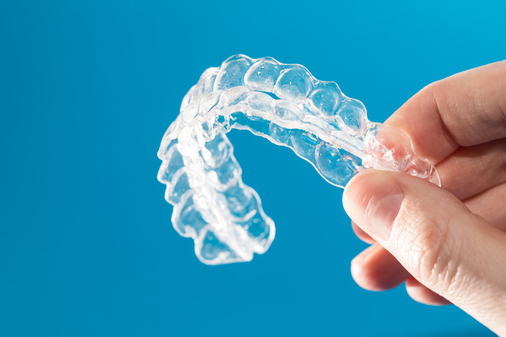
Which Option Is Right for You?
Deciding between aligners and braces involves a comprehensive evaluation of dental alignment, bite function, and personal lifestyle factors. Some patients prioritize discretion and flexibility, while others need the precision and versatility that braces provide.
At Masci, Hale & Wilson Advanced Aesthetic and Restorative Dentistry, orthodontic recommendations are based on individualized assessments rather than a one-size-fits-all approach. The focus remains on achieving optimal results while supporting comfort, oral health, and long-term stability.
Patients in Montgomery, NY benefit from advanced diagnostic tools and modern orthodontic solutions designed to address a wide range of alignment concerns with accuracy and care.
FAQs
Are clear aligners as effective as braces?
Clear aligners are highly effective for many mild to moderate orthodontic issues. For more complex cases involving significant bite correction or tooth rotation, traditional braces may be recommended for greater precision.
Do aligners require more responsibility than braces?
Yes, aligners must be worn consistently for the recommended number of hours each day to achieve optimal results. Braces work continuously and do not rely on daily removal or reinsertion.
Which option is easier to clean?
Aligners are generally easier to clean because they are removable, allowing normal brushing and flossing. Braces require extra care to clean around brackets and wires to maintain good oral hygiene.
Can adults benefit from orthodontic treatment?
Absolutely. Both aligners and braces are effective for adults seeking to improve alignment, bite function, and overall oral health, regardless of age.
|